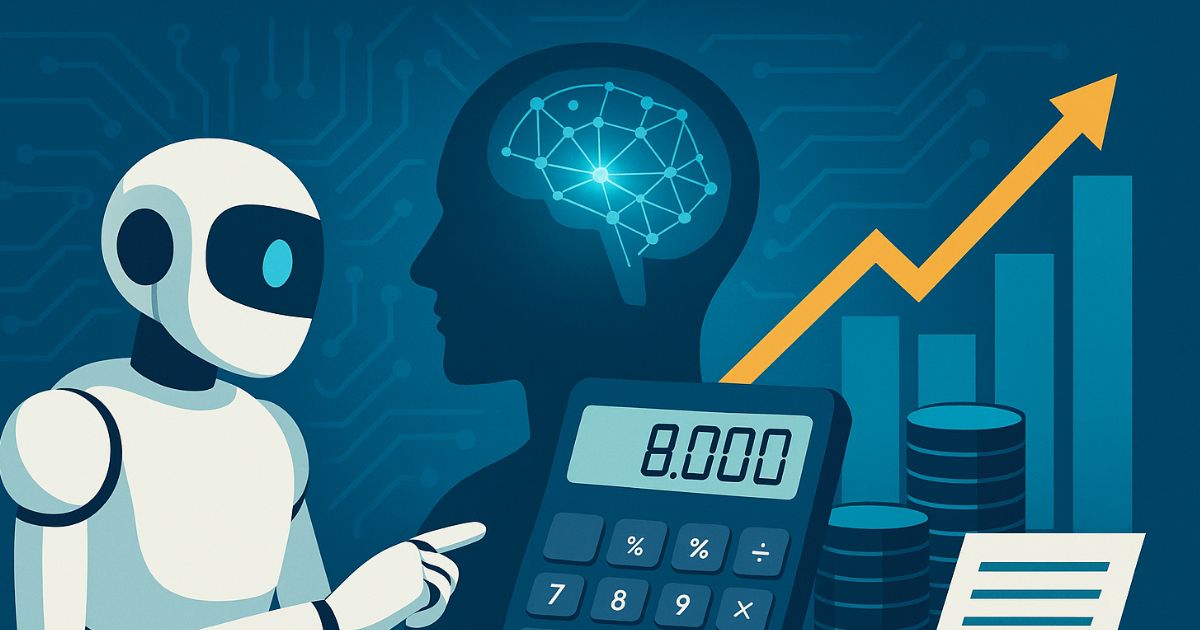

With technological advancement reshaping the way we live and work, one pressing question remains underexplored—how might artificial intelligence (AI) and automation influence the future of Pay Commissions in India? As we approach the 8th Central Pay Commission (CPC), discussions around salaries, allowances, and pay structure dominate the headlines. But what’s often overlooked is the evolving role of automation and its impact on how compensation is calculated, distributed, and even justified.
Understanding Pay Commissions in India
Pay Commissions in India are set up every 10 years to recommend changes in the salary structure of central government employees and pensioners. These commissions evaluate inflation, market trends, job profiles, and financial feasibility before suggesting revisions.
The 8th Pay Commission, expected to come into effect around January 2026, will follow a decade of significant economic and technological change. The last commission—the 7th CPC—was formed in 2014 and implemented in 2016. Since then, we’ve seen rapid digitisation, AI adoption in governance, and increasing reliance on data analytics in policymaking.
What Is Changing with AI and Automation?
AI and automation are not just limited to manufacturing or IT—they’re gradually making their way into public administration. From file processing, biometric verification, and citizen grievance handling to financial audits and data analysis, a growing number of government functions are being digitised or automated.
This change brings up a serious question: How will these efficiencies be reflected in the salary structure and job valuation of government employees?
1. Redefining Job Roles and Responsibilities
As automation handles repetitive tasks, job roles are becoming more focused on decision-making, strategy, and problem-solving. This shift could change how Pay Commissions evaluate “workload” and “responsibility.” Future recommendations might put more weight on skills like data literacy, technical competence, and adaptability.
2. Performance-Based Pay Structures
While Pay Commissions traditionally maintain fixed pay bands, the increasing use of AI could push towards performance-based or output-linked pay structures. Smart analytics can now track efficiency, time utilisation, and goal achievement far more accurately than before. Though this might not be fully realised in the 8th CPC, it’s a direction policy planners may soon explore.
3. Cost Optimisation and AI-Driven Forecasting
The use of AI in government budget planning can help forecast the financial impact of various pay revisions. With access to real-time data, future Pay Commissions might use AI tools to simulate multiple salary scenarios, assess macroeconomic risks, and ensure fiscal sustainability.
4. Job Displacement and Reskilling Needs
Automation may reduce the need for certain clerical roles in the future. While this raises concerns about job security, it also introduces the need for reskilling programmes, which Pay Commissions might have to recommend or consider while framing salary structures.
5. Data-Backed Decision Making
Unlike earlier commissions that relied primarily on manual surveys and expert opinions, future Pay Commissions may use big data and machine learning to assess employee needs, regional disparities, cost-of-living adjustments, and service performance metrics.
This transformation could make the entire Pay Commission process more evidence-based, transparent, and responsive to actual workplace conditions.
Where Does the 8th Pay Salary Calculator Fit In?
As AI becomes an important consideration in shaping salaries, tools like the 8th Pay Salary Calculator can play a key role. While these calculators currently estimate salaries based on projected fitment factors and allowances, future iterations could integrate:
-
AI-powered salary forecasting
-
Real-time DA adjustments
-
Role-based custom calculations
Such tools empower employees to understand and plan for their financial future, especially as job roles evolve.
Challenges in Integrating AI into Pay Structures
While the possibilities are exciting, challenges remain:
-
Resistance to Change: Government systems are traditionally cautious about adopting rapid technological shifts.
-
Ethical Considerations: AI-based evaluations must be fair, transparent, and free from bias.
-
Infrastructure: Implementation would require significant investment in digital infrastructure and training.
Conclusion
AI and automation are not distant concepts—they are already reshaping the administrative landscape. While the 8th Pay Commission may not fully embrace these technologies, it sets the stage for future reforms that are data-driven, performance-linked, and technologically enabled.
Government employees, policymakers, and unions must start engaging with this dialogue. As always, platforms like the 8th Pay Salary Calculator remain crucial in bridging the gap between evolving policies and individual expectations.
Disclaimer: This article is based on current trends in AI, public administration, and compensation systems. Readers are encouraged to refer to official notifications and government updates for accurate policy details.
Image Generated Using AI