The 8th Pay Commission has stirred excitement among government employees, promising adjustments that could significantly impact monthly incomes. One of the most anticipated changes is in the calculation of House Rent Allowance (HRA), a crucial component for many. Understanding how HRA works and its implications can be vital for anyone navigating their salary structure.
With different tiers of cities being classified, each with unique HRA calculations, it’s essential to grasp how these changes affect your take-home pay. Whether you reside in bustling Tier 1 cities or quieter Tier 3 locales, knowing what to expect can empower you financially. Let’s dive into the details surrounding HRA under the new commission and explore strategies to maximize your benefits effectively!
What is HRA?
HRA, or House Rent Allowance, is a crucial component of an employee’s salary package. It serves as a financial aid for individuals who live away from their hometown or family.
This allowance helps cover housing costs like rent and utilities. For many government employees, HRA can significantly ease the burden of monthly expenses associated with accommodation.
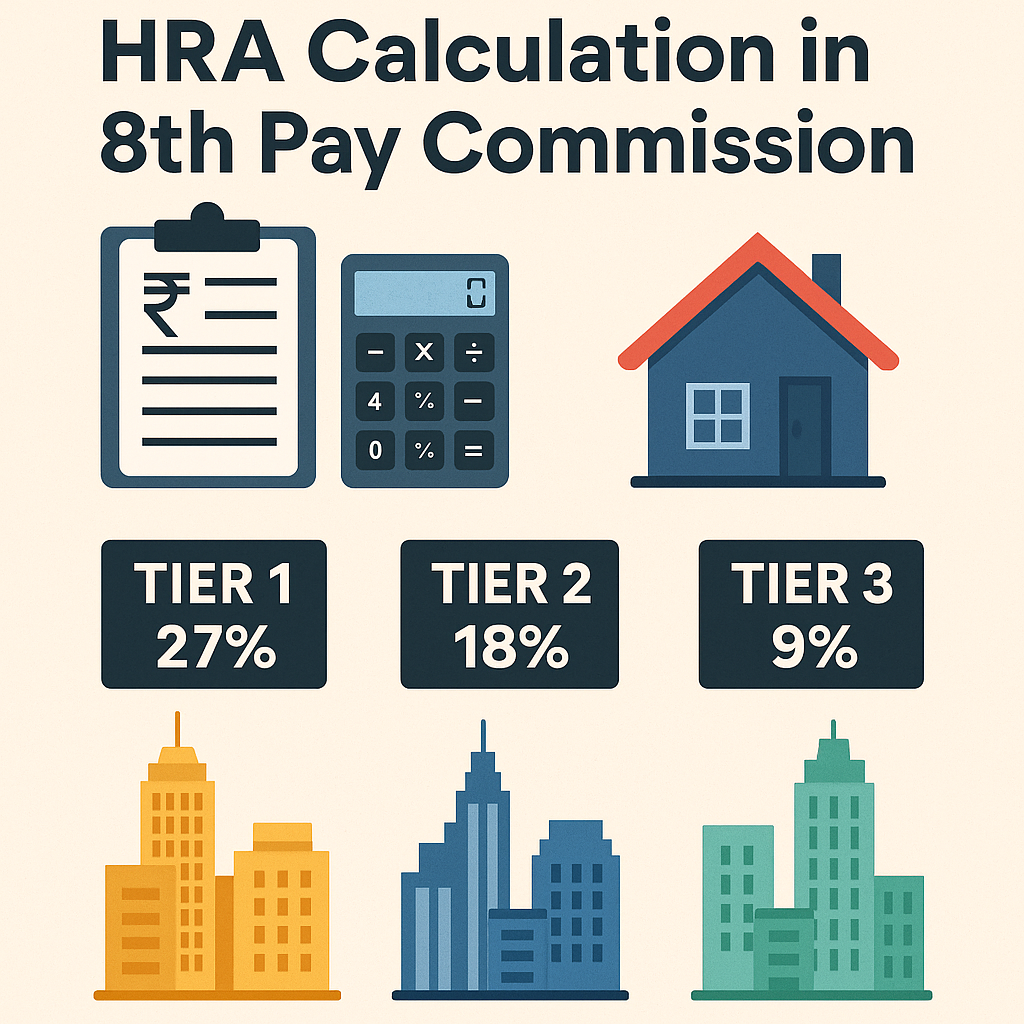
The amount of HRA varies based on factors such as city classification and basic pay. Tier classifications—Tier 1, Tier 2, and Tier 3 cities—determine how much allowance one receives.
Understanding HRA is essential for anyone navigating the complexities of the 8th Pay Commission structure. With these changes in place, it’s important to stay informed about your entitlements related to housing support.
Changes in HRA Calculation in 8th Pay Commission
The 8th Pay Commission has introduced significant changes to the House Rent Allowance (HRA) calculation, aiming for a more equitable distribution among government employees. A major shift is the revised percentage of HRA based on city classification, which allows for a clearer distinction between urban centers.
Previously, calculations often left many in Tier 2 and Tier 3 cities feeling overlooked. The new structure addresses this by increasing allowances across all tiers. Employees in less metropolitan areas can now expect better compensation relative to their living costs.
Additionally, the formula used for HRA determination has been updated to reflect current rental market trends. This ensures that salaries remain competitive and relevant amidst rising housing prices.
Moreover, with an emphasis on transparency, employees will find it easier to grasp how their HRA is calculated under this new framework—making budgeting simpler and more accurate than ever before.
Tier-wise Classification of Cities for HRA Calculation
The 8th Pay Commission introduces a systematic tier-wise classification of cities to streamline HRA calculations. This approach differentiates between various urban centers, reflecting the cost of living and housing market dynamics.
Tier 1 cities include metropolitan hubs like Delhi, Mumbai, and Bengaluru. These areas face higher rental costs, resulting in more substantial HRA allowances for government employees residing there.
Moving down the list, Tier 2 cities such as Jaipur and Chandigarh experience moderate living expenses. Consequently, their HRA percentages are lower than those allocated to Tier 1 cities but still offer sufficient support for housing needs.
Tier 3 cities encompass smaller towns where the cost of living is significantly reduced. Here, employees receive the least amount in HRA due to affordable housing options available within these regions.
This classification ensures that salaries remain equitable while addressing regional economic variations effectively.
HRA Calculation for Tier 1 Cities
Tier 1 cities play a crucial role in the HRA calculation under the 8th Pay Commission. These urban areas, characterized by high living costs and advanced infrastructure, include metropolitan hubs like Mumbai, Delhi, and Bengaluru.
For Tier 1 cities, government employees can expect a higher percentage of their basic salary allocated as House Rent Allowance. Typically, this figure stands at around 24%. This substantial allowance reflects the elevated rental prices that residents face.
The formula for determining HRA involves applying this percentage to an employee’s basic pay. It’s essential to consider factors such as DA (Dearness Allowance) when calculating your total earnings.
Additionally, those residing in rented accommodations must provide proof of rent payments to avail themselves fully of this benefit. Understanding these aspects will help maximize your entitlement from the newly structured pay matrix introduced by the commission.
HRA Calculation for Tier 2 Cities
For Tier 2 cities, the HRA calculation is tailored to reflect the cost of living variations. These cities typically experience lower rent compared to Tier 1 locations, which influences how much HRA government employees receive.
The percentage of basic pay allocated as HRA in these areas generally ranges from 10% to 20%. This figure can vary based on specific city conditions and state regulations. Employees may find that their allowances accommodate a comfortable lifestyle without excessive financial strain.
Understanding your locality’s classification is essential for accurate calculations. The revised structure under the 8th Pay Commission aims to provide fair compensation while recognizing regional economic differences.
Employers often use an updated salary calculator specifically designed for calculating benefits like HRA. Familiarizing yourself with this tool ensures you maximize your entitlements as per the new guidelines set forth by the commission.
HRA Calculation for Tier 3 Cities
Tier 3 cities, often characterized by smaller populations and lower living costs, have a distinct approach to HRA calculation. The 8th Pay Commission recognizes these differences, making adjustments to ensure government employees receive fair benefits.
For Tier 3 cities, the HRA generally amounts to around 24% of the basic salary. This percentage reflects the reduced housing expenses in these areas compared to their Tier 1 and Tier 2 counterparts. Consequently, while salaries may be lower than those in bigger cities, the cost of living is also significantly less.
Employees should take note that any changes or revisions from the commission can impact their monthly income. Staying informed about potential updates will help individuals manage their finances better and optimize housing allowances effectively. With proper planning, government workers in Tier 3 can make the most of their HRA entitlements.
Impact of HRA Changes on Government Employees’ Salaries
The changes in HRA calculation under the 8th Pay Commission significantly impact government employees’ salaries. With a structured approach to allowances, many workers may see a noticeable increase in their monthly take-home pay.
For Tier 1 cities, where living costs are higher, the revised HRA rates provide much-needed financial relief. This boost allows employees to better manage housing expenses and overall cost of living.
In contrast, Tier 2 and Tier 3 cities also benefit from adjustments but at different scales. Employees here will find that even slight increases can enhance their standard of living.
These modifications not only improve disposable income but also influence lifestyle choices for many governmental staff members. As salary structures evolve with each commission, adapting to these changes becomes essential for budgeting effectively and planning future investments or savings strategies.
Tips to Maximize Your HRA Benefits
To maximize your HRA benefits, start by understanding the precise structure of your rental agreements. Ensure that you have a valid rent receipt. This plays a key role when claiming HRA.
Next, consider keeping track of all eligible housing expenses. Even minor details can add up over time and significantly impact your total claim.
If possible, opt for accommodation in locations classified as Tier 1 cities to avail higher HRA rates. Such areas often offer greater financial support through this allowance.
Additionally, maintaining clear communication with your employer about any changes in rent is crucial. Promptly update them on adjustments to ensure accurate calculations based on the latest figures.
Explore tax-saving strategies that complement HRA claims. Familiarizing yourself with related sections under the Income Tax Act can enhance overall savings while utilizing your allowances effectively.
Conclusion
Understanding the nuances of HRA calculation under the 8th Pay Commission is crucial for government employees. With clear tier-wise classifications, the adjustments in allowances can significantly impact take-home salaries. Keeping abreast of these changes ensures that individuals maximize their benefits.
By familiarizing oneself with city classifications and corresponding HRA percentages, employees can effectively plan their finances. Utilizing tools like the 8th pay salary calculator further aids in calculating exact figures based on individual circumstances.
The evolving landscape of DA and HRA mandates continuous learning to navigate compensation structures better. As such, staying informed will empower employees to make decisions that enhance financial well-being while adapting to changing market conditions.